Essential Dressmaking Supplies for Beginners and Beyond
Starting your journey into dressmaking can be both exciting and overwhelming. With a myriad of supplies available, it can be challenging to determine which items are truly essential. This guide will help you navigate the necessary tools and materials, ensuring you are well-equipped for your sewing projects in 2026.
Basic Sewing Tools
Every dressmaker needs a solid foundation of basic tools. Begin with a quality pair of fabric scissors. Look for scissors that are sharp and designed specifically for cutting fabric to ensure clean edges and smooth cuts. A rotary cutter and cutting mat are also advantageous, especially for straight lines or intricate designs.
Next, invest in a good set of pins and a pin cushion. Glass head pins are ideal as they are heat resistant, making them safe for use with an iron. A pin cushion will keep your pins organised and easily accessible while you sew.
Measuring tools are crucial. A flexible fabric measuring tape will help you take accurate body measurements, while a clear ruler or quilting ruler can assist with cutting and marking fabric accurately.
Essential Sewing Notions
Aside from tools, sewing notions are key to successful dressmaking. Thread is an obvious necessity; opt for high-quality polyester or cotton thread that matches your fabric. Investing in a variety of thread colours will give you flexibility in your projects.
People Also Look For:
- Stiverse 46 Pcs Sewing Threads, 540M/600 Yard 30 ColoursThread, All Purpose PolyesterThread, Sewing Machine Threads, Thread for Se...
- Novato Textiles Silky Satin Liquid Fabric Plain Luxury Craft Dressmaking Fabric 60'' Wide pre Cut (Burgandy, 1 Meter pre Cut)
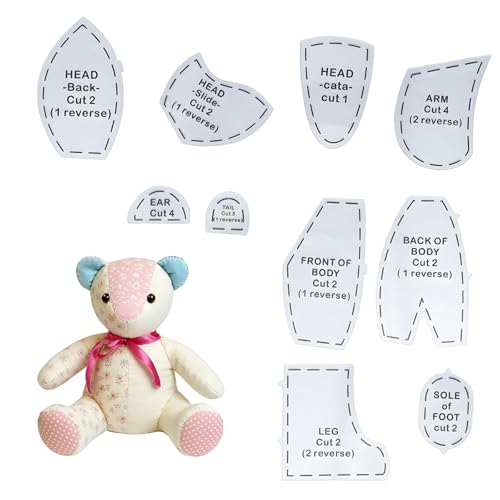
- Memory Bear Sewing Patterns UK, Easy Sewing Patterns for Beginners, Create Meaningful Keepsakes, Transform Clothes into Memory Bea...
- Luna Lapin: Making New Friends: Sewing patterns from Luna's little world: 3
- Water Erasable Fabric Marking Pens, 6 Colours Disappearing Ink Pen Fabric Markers Sewing Erasable, Fabric Pens Sewing Water Solubl...
Don’t forget about needles. A universal needle set will serve most purposes, but specific projects may require specialised needles like ballpoint for knits or denim needles for heavier fabrics.
Additionally, consider adding a fabric marking tool to your kit. Chalk markers, water-soluble pens, or tailor's chalk can help you mark cutting lines, darts, and other essential markings on your fabric without damaging it.
Fabrics and Interfacing
When it comes to fabric, the options are limitless. As a beginner, start with easy-to-sew materials like cotton, quilting cotton, or linen. These fabrics are forgiving and easier to handle compared to slippery or stretchy materials.
Interfacing is another important supply that adds structure to your garments. Fusible interfacing is user-friendly as it adheres to your fabric with heat, while sew-in interfacing offers more flexibility. Choose the right weight and type of interfacing based on your fabric and desired outcome.
Storage Solutions
As you accumulate your dressmaking supplies, having a proper storage solution is vital. A dedicated sewing box or organiser can keep your tools tidy and easy to access. Look for options with compartments to separate different types of supplies.
Additionally, a fabric stash system can help you manage your fabric collection. Use clear bins or shelves to display your fabrics, making it easier to find the perfect material when inspiration strikes.
Advanced Supplies for Further Skills
Once you have mastered the basics, consider investing in more advanced supplies. A sewing machine with various stitch settings can elevate your projects. Look for machines with features like automatic buttonholes, multiple presser feet, and adjustable stitch length and width.
Specialty feet like a walking foot or zipper foot can also expand your capabilities, allowing you to tackle more complex designs. Furthermore, a good iron and a pressing board will help achieve professional-looking finishes, as pressing is a crucial step in garment construction.
Resources and Patterns
Finally, do not underestimate the importance of patterns and resources. Many online platforms and local fabric shops offer a variety of sewing patterns, catering to all skill levels. Joining a sewing community or taking classes can also provide inspiration and support as you progress in your dressmaking journey.